
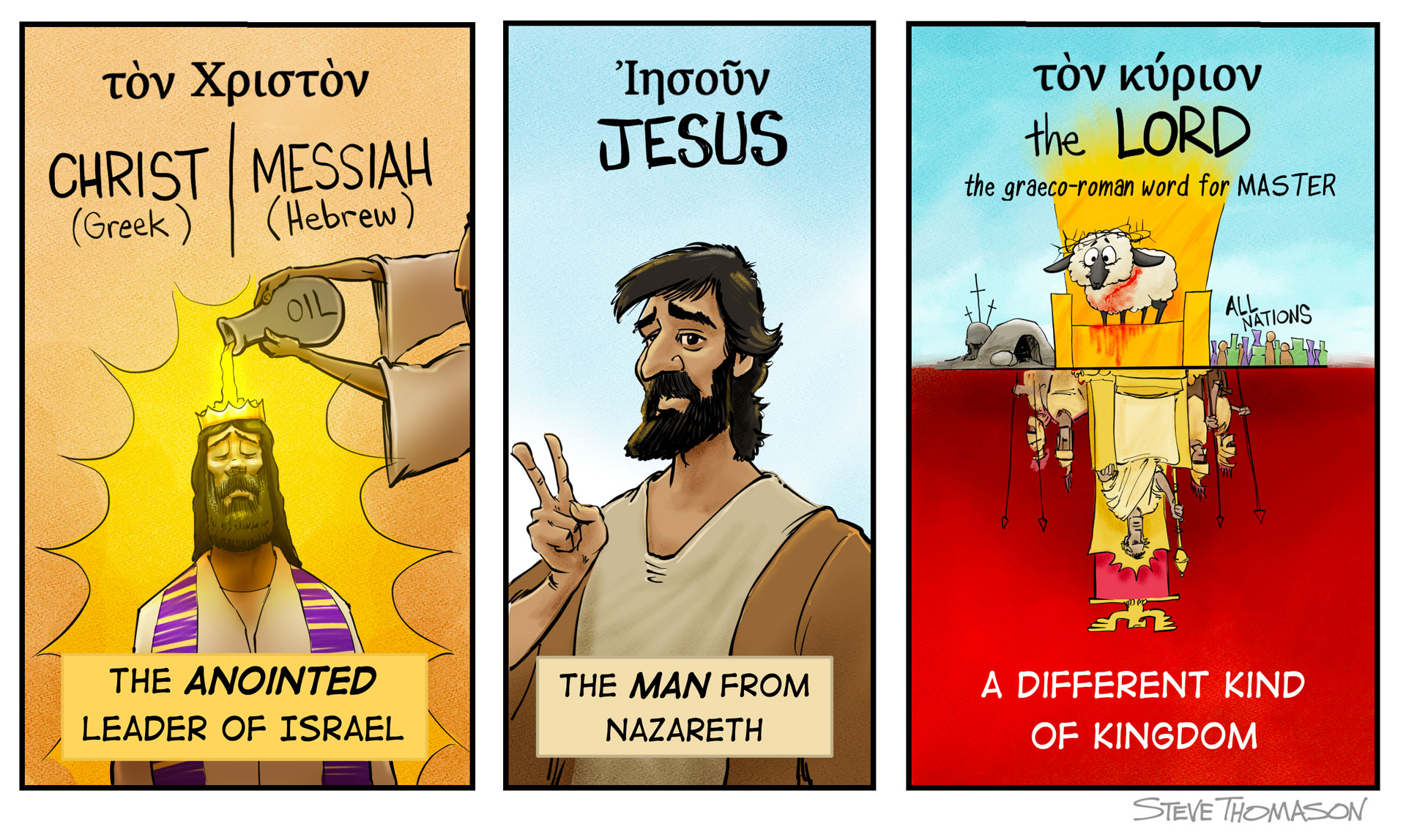
Why do people say “Jesus Christ is Lord?” For many in our 21st century Western culture the phrase “Jesus Christ” is simply a curse word. Others may assume that “Christ” is Jesus’ last name. The term “Lord” seems archaic and oppressive. How is it relevant in a democratic society?
I would like to suggest that the terms Christ and Lord, when they were used in the first century, were an attempt to find unity in the diversity of a multicultural church that was divided into factions. I would also like to suggest that we need the spirit of these terms in the fractured and divided church today, just as much as they needed it then.
Let’s unpack these words.
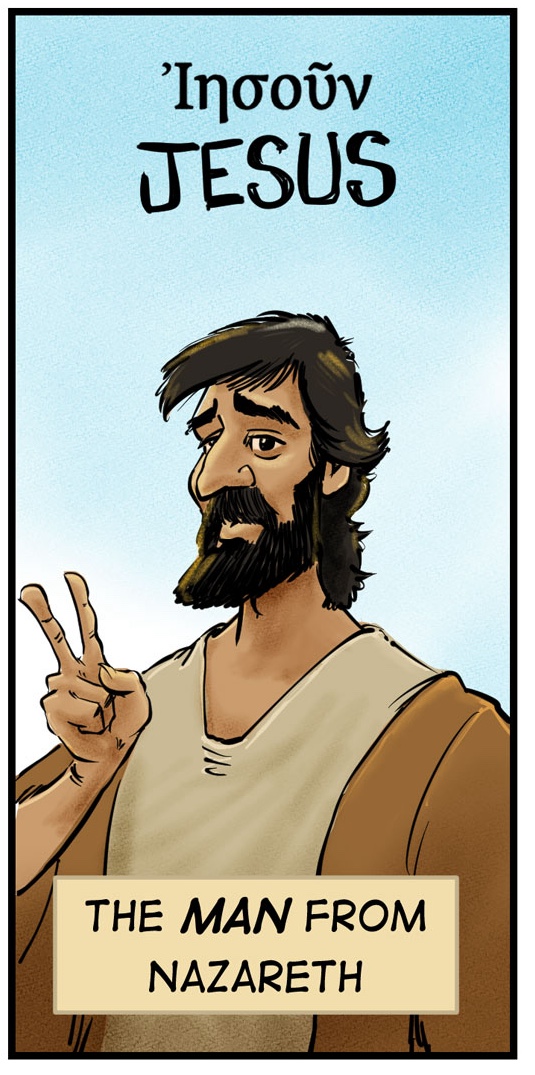
First, the term Jesus is the Greek version of the Hebrew name Joshua. It means God saves. The human from Nazareth lived in the first century, did many signs and wonders, was crucified, buried, rose from the dead and ascended into the heavens.
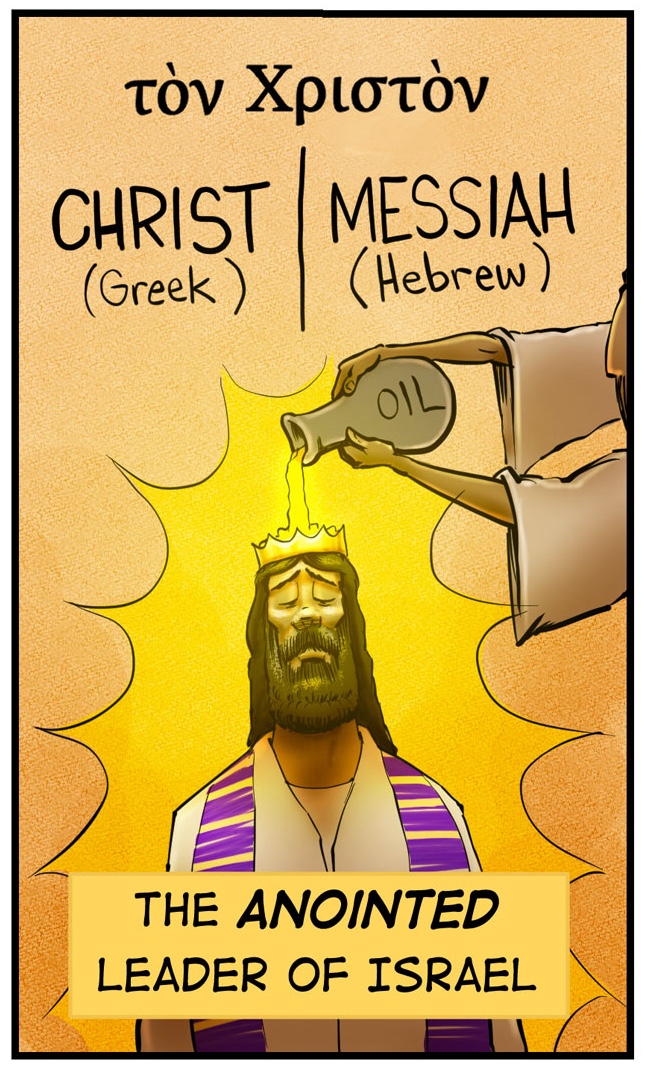
Christ is the Greek word for Messiah, the anointed one of Israel. This is the leader that the Jewish people are waiting for who will deliver them from oppression and establish the Kingdom of God on Earth.
One of the greatest challenges of the church in the first century was overcoming the cultural divide between Jewish disciples of Jesus and Gentile disciples of Jesus.
The Jewish Messiah
The Jews had identified themselves as the chosen people of the one true God. Their adherence to the Law of Moses created cultural boundaries that prohibited them from interacting with non-Jewish people (Gentiles) in communal practices such as eating together. To interact with Gentiles, or to allow Gentiles into places of worship would defile them and make them unclean.
The Jews had suffered great oppression over the centuries at the hands of various Gentile Empires. They were waiting for a Messiah to come and rescue them from oppression. The term Messiah means the anointed one. Every king from Israel’s past was anointed by God to lead the Kingdom of Israel, which they considered to be the Kingdom of God. When the Messiah came, the Gentile Empire would be overthrown and the Kingdom of God reestablished.
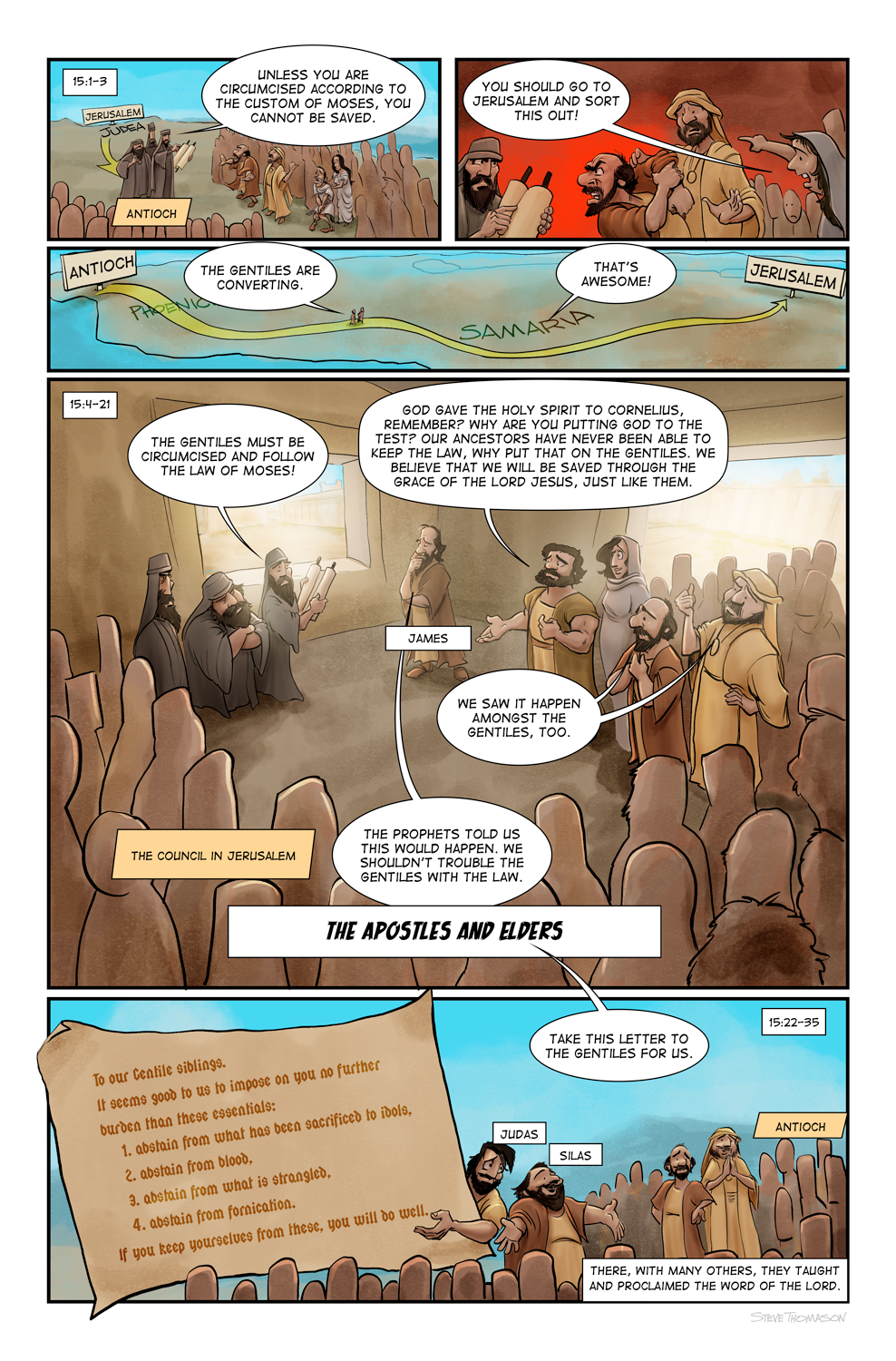
Many Jewish people in the first century claimed that Jesus of Nazareth was the Messiah. His teaching, death, and resurrection was the sign that he was bringing the Kingdom of God on earth. Many of these first Jewish disciples of Jesus thought it was logical that any Gentile who wanted to follow Jesus, the Messiah, would need to first become Jewish before they could be true disciples of the Jewish Messiah. They required Gentiles to become circumcised as the sign of being Jewish and follow the Law of Moses as their code of conduct.
We see this in Acts 15.
A Different Kind of Lord
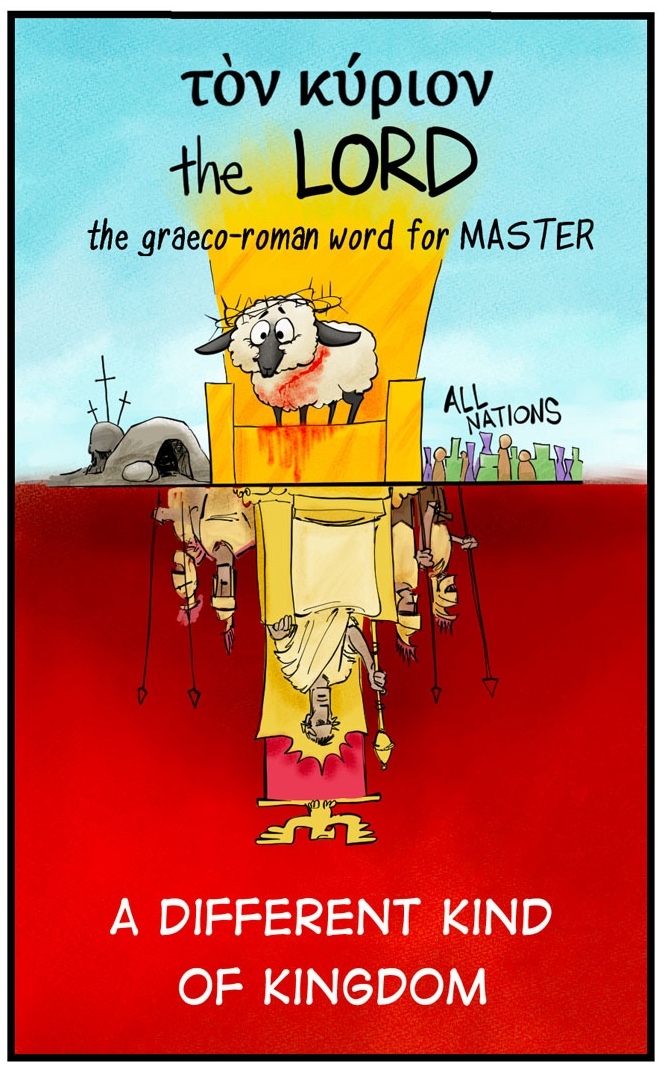
The Apostle Paul was a devout Jewish man who strongly disagreed with the teaching that Gentiles had to become Jewish before they could be disciples of Jesus. Paul taught that Jesus was the savior of all nations, not just the nation of Israel (see his speech on Mars Hill). He believed that Jesus was fulfilling the promise to Abraham to bless all nations. This promise came before the sign of circumcision and long before the Law of Moses (he spells this out in Romans).
Jesus was a new kind of savior and a new kind of ruler for the Gentile people. Jesus showed the Gentiles that they did not have to be bound by fear to the gods who did not love them. Instead, Jesus showed them that the one true God created them, loves them, and wants them to experience freedom in the power of the Holy Spirit. This is the kind of kurios, Lord, that Jesus can be for them. The Kingdom of God offers a new way to be human that does not rely on violence and fear to thrive. Instead, it runs on love and mutual cooperation for mutual flourishing.
Paul never asked Jews to stop being Jewish. He simply asked Jewish disciples of Jesus to allow their Gentile brothers and sisters to follow Jesus in their own way that springs up from their own context.
Thus, when the New Testament writers say that Jesus is the Christ and the Lord, they are signaling to their readers that Jesus is the savior of Jews and Gentiles equally and that, together, we are all one body of Christ.
Resist the Tribal Impulse

I think every generation needs to be reminded of this unity in diversity. It is a natural human impulse to gather with people who are like you in order to feel safe. The more threatened a group feels, the more it wants to bunker down, raise up cultural boundaries, and either hide from or eliminate those who are different. It is a tribal survival instinct that is very difficult to overcome.
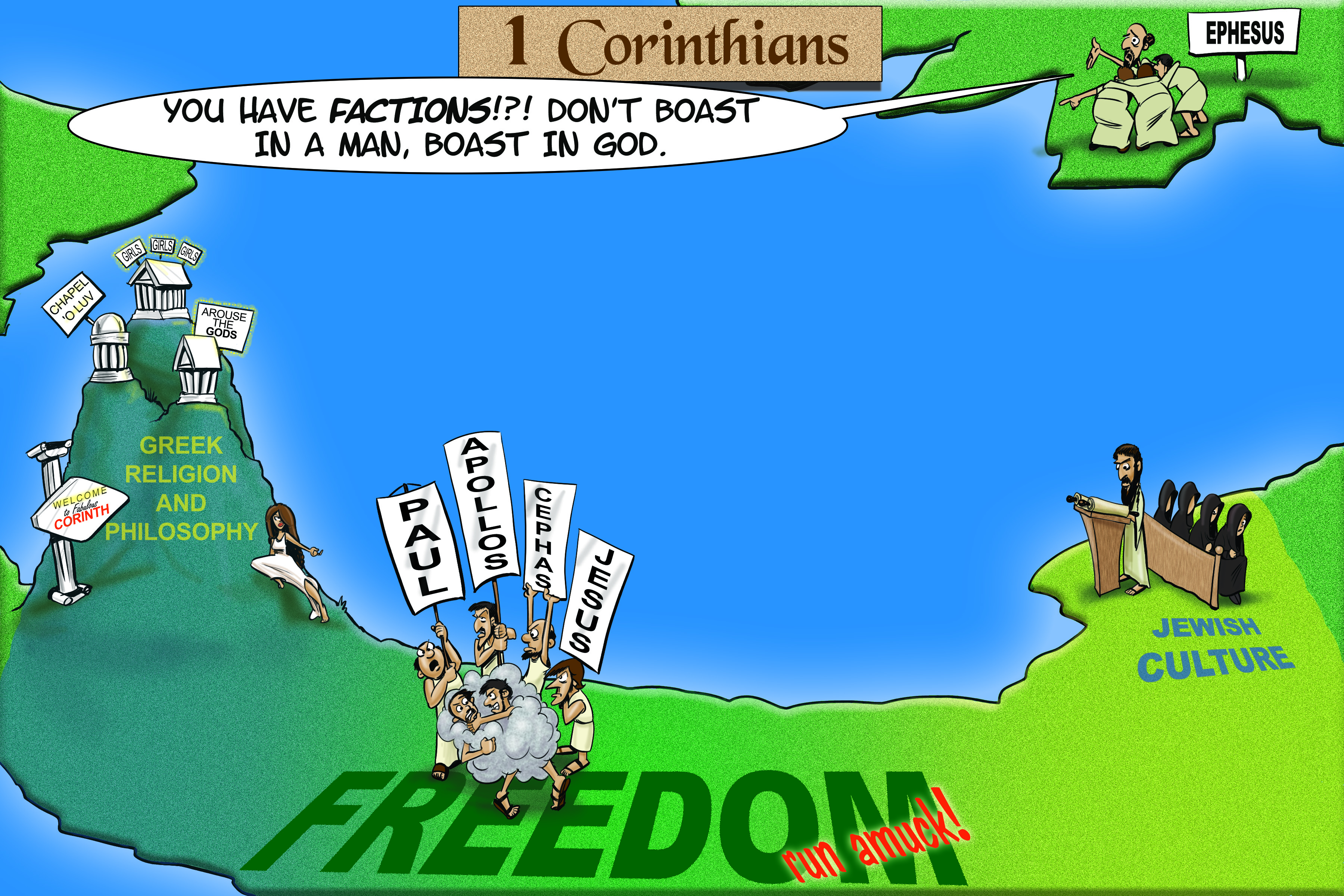
We see factions in the church in 1 Corinthians 1:10-17.
Disciples of Jesus are not immune to this tendency. Many Christians claim that their particular way of being Christian and being human in the world is the one and only way to do it. In order to claim that Jesus is Lord, they argue, you have to conform to our cultural patterns. When someone comes along and says, “maybe there is a different way to follow Jesus that has a different cultural pattern than yours” they feel threatened. The tribal instinct kicks in and the church divides.
The Apostle Paul used the metaphor of the human body to describe the diversity of the Church. There are many parts of the body that are very different from each other. Each part is valid and important. Each part is not the whole. When all the diverse parts work together for the mutual flourishing of the body, under the direction of the one head–Jesus–then the whole body is healthy and strong.

Jesus is the Christ, the Lord, and…?
What are the words we need today to signal that Jesus is both the long awaited Messiah to the Jews and a new kind of Lord to the Gentiles? What symbols of power in our society need to be turned upside down and redefined by Jesus?
| Philippians 2:9–11 | 9 Therefore God also highly exalted him and gave him the name that is above every name, 10 so that at the name of Jesus every knee should bend, in heaven and on earth and under the earth, 11 and every tongue should confess that Jesus Christ is Lord, to the glory of God the Father. |
| Colossians 2:6–7 | 6 As you therefore have received Christ Jesus the Lord, continue to live your lives in him, 7 rooted and built up in him and established in the faith, just as you were taught, abounding in thanksgiving. |
| Romans 10:9–13 | 9 because if you confess with your lips that Jesus is Lord and believe in your heart that God raised him from the dead, you will be saved. 10 For one believes with the heart and so is justified, and one confesses with the mouth and so is saved. 11 The scripture says, “No one who believes in him will be put to shame.” 12 For there is no distinction between Jew and Greek; the same Lord is Lord of all and is generous to all who call on him. 13 For, “Everyone who calls on the name of the Lord shall be saved.” |
| 1 Corinthians 12:3 | Therefore I want you to understand that no one speaking by the Spirit of God ever says “Let Jesus be cursed!” and no one can say “Jesus is Lord” except by the Holy Spirit. |
| Acts 2:36 | Therefore let the entire house of Israel know with certainty that God has made him both Lord and Messiah, this Jesus whom you crucified.” |
| Romans 14:9 | For to this end Christ died and lived again, so that he might be Lord of both the dead and the living. |
| 1 Corinthians 8:6 | yet for us there is one God, the Father, from whom are all things and for whom we exist, and one Lord, Jesus Christ, through whom are all things and through whom we exist. |
| Ephesians 4:5 | one Lord, one faith, one baptism, |
| Acts 10:36 | You know the message he sent to the people of Israel, preaching peace by Jesus Christ—he is Lord of all. |
| Romans 1:3–4 | 3 the gospel concerning his Son, who was descended from David according to the flesh 4 and was declared to be Son of God with power according to the spirit of holiness by resurrection from the dead, Jesus Christ our Lord, |
| 2 Corinthians 4:5 | For we do not proclaim ourselves; we proclaim Jesus Christ as Lord and ourselves as your slaves for Jesus’ sake. |
| 1 Timothy 6:14–15 | 14 to keep the commandment without spot or blame until the manifestation of our Lord Jesus Christ, 15 which he will bring about at the right time—he who is the blessed and only Sovereign, the King of kings and Lord of lords. |
| Colossians 1:15–20 | 15 He is the image of the invisible God, the firstborn of all creation; 16 for in him all things in heaven and on earth were created, things visible and invisible, whether thrones or dominions or rulers or powers—all things have been created through him and for him. 17 He himself is before all things, and in him all things hold together. 18 He is the head of the body, the church; he is the beginning, the firstborn from the dead, so that he might come to have first place in everything. 19 For in him all the fullness of God was pleased to dwell, 20 and through him God was pleased to reconcile to himself all things, whether on earth or in heaven, by making peace through the blood of his cross. |
| Hebrews 1:1–4 | 1 Long ago God spoke to our ancestors in many and various ways by the prophets, 2 but in these last days he has spoken to us by a Son, whom he appointed heir of all things, through whom he also created the worlds. 3 He is the reflection of God’s glory and the exact imprint of God’s very being, and he sustains all things by his powerful word. When he had made purification for sins, he sat down at the right hand of the Majesty on high, 4 having become as much superior to angels as the name he has inherited is more excellent than theirs. |
| John 20:28 | Thomas answered him, “My Lord and my God!” |
| Revelation 19:16 | On his robe and on his thigh he has a name inscribed, “King of kings and Lord of lords.” |
| Acts 16:31 | They answered, “Believe on the Lord Jesus, and you will be saved, you and your household.” |
| Romans 5:1 | Therefore, since we are justified by faith, we have peace with God through our Lord Jesus Christ, |
| Romans 6:23 | For the wages of sin is death, but the free gift of God is eternal life in Christ Jesus our Lord. |
| 1 Corinthians 15:57 | But thanks be to God, who gives us the victory through our Lord Jesus Christ. |
Explore Every Book of the Bible
Find cartoons, illustrations, videos, commentaries, and other helpful information about every book of the Bible.


Would you share your wisdom and insight into Jesus referring to himself as the Son of man?
That is a wonderful and complex question, to which many scholars have many responses. Here is a quick take. 1. This is how Jesus refers to himself. 2. The phrase “Son of Man” was not commonly used in Jewish theology to refer to the expected Messiah. 3. The phrase “Son of Man” comes from Daniel 7:13-14 and is a vision that Daniel had of one “like a son of man” ascending to the Ancient of Days and was given dominion over the nations of the Earth. The term seems to emphasize the humanity of the character, aka “human.” 4. The Gospel of Mark connects Daniel 7 to the suffering servant of Isaiah. It seems that the Gospel writers are making sure to emphasis the humanity of Jesus. 5. One possible reason for the emphasis on humanity is that one of the biggest objections to Jesus from the Greek perspective is that the Divine could not become human. The early church theologians stressed the deep mystery of the both/and of Jesus’ humanity and divinity.
Just some thoughts. Thanks for asking.