by Steve Thomason | Oct 12, 2026 | Visual Lectionary
Explore fresh visual resources for October 18, 2026! This week’s collection provides engaging cartoon illustrations and commentary for both lectionary tracks. Dive into the Revised Common Lectionary as Jesus navigates political traps regarding imperial taxes, or follow the Narrative Lectionary as Joshua challenges the Israelites to choose whom they will serve. Download creative preaching tools to bring these timeless texts to life today!
by Steve Thomason | Oct 5, 2026 | Visual Lectionary
Explore visual resources for October 11, 2026! For the Revised Common Lectionary, we reflect on Jesus’ parable of the King’s Wedding Banquet in Matthew and Paul’s encouragement in Philippians. For the Narrative Lectionary, we journey from the wilderness complaints to the giving of the Ten Commandments at Mt. Sinai.

by Steve Thomason | Oct 4, 2026 | Bible
Explore a visual commentary on Matthew 22:1–14 by Steve Thomason. Compare two key interpretations of the parable of the king’s banquet and examine its historical context, literary parallels, and theological takeaways.
by Steve Thomason | Oct 1, 2026 | Bible Doodle, The Art of Discipleship
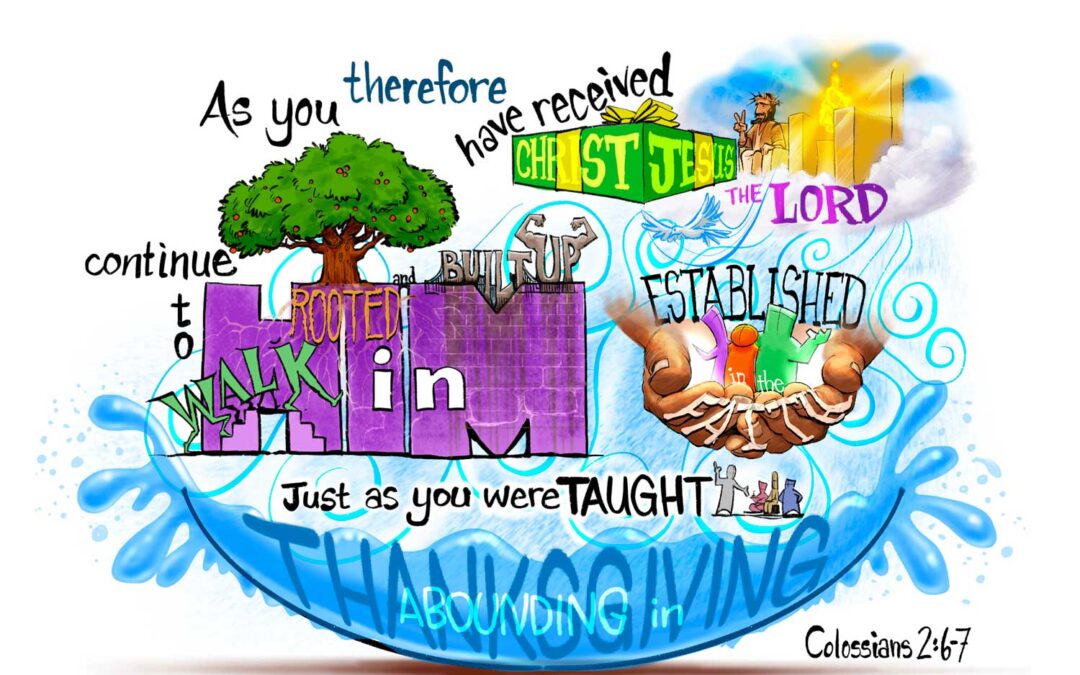
Colossians 2:6-7 | A Visual Commentary Back to the Art of Discipleship Below is the text in the images above: Colossians 2:6–7 (NRSV) As you therefore have received Christ Jesus the Lord, continue to live your lives in him, rooted and built up in him and established...
by Steve Thomason | Sep 28, 2026 | Visual Lectionary
Whether you are following the Revised Common Lectionary or the Narrative Lectionary this week, our readings tackle powerful themes of stewardship, systemic failure, and divine deliverance:
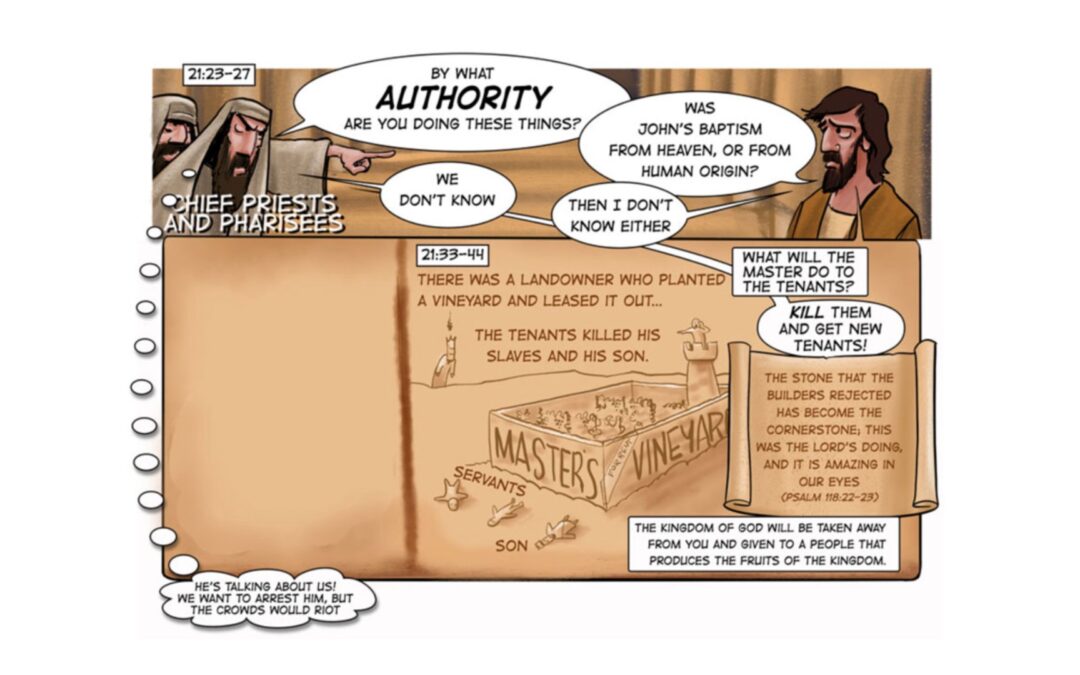
Revised Common Lectionary (Proper 22): Jesus confronts the religious leaders through the parable of the wicked tenants in the vineyard, challenging those in authority to examine how they steward their positional power—calling us toward humility, justice, and fruitfulness.
Narrative Lectionary: We bridge the 400-year gap from Joseph’s story to Exodus, leading right up to the miraculous parting of the Red Sea. It’s a vivid reminder that even in seemingly hopeless situations, God is actively working to save and deliver His people.
Explore full commentaries, visual aids, and downloadable resources to prepare your teaching and sermons for this Sunday.
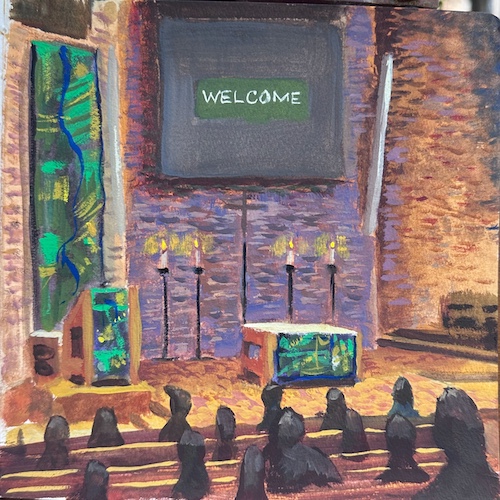
by Steve Thomason | Sep 21, 2026 | Luther Seminary Sketchbook
Page 6. Chapel in Ordinary Time September 21, 2026medium: gouache It was Monday, the third day of RFS. Drs. Elton and Jacobson needed to use the chapel to teach the Christian Public Leader course because there are so many students in it. Since I helped them get the...
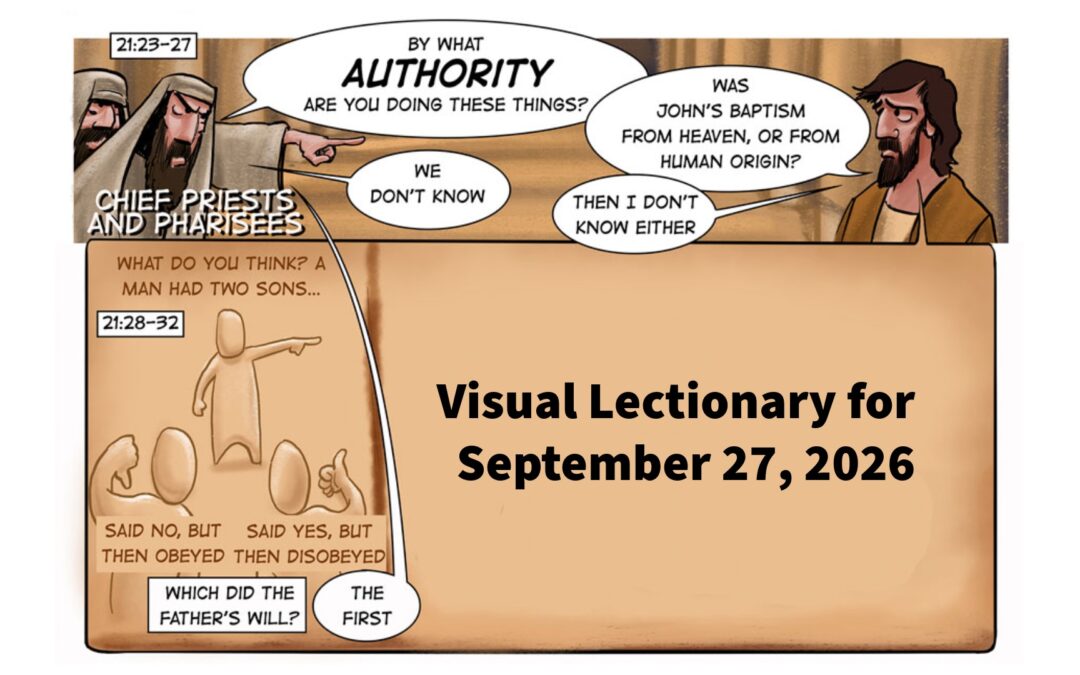
by Steve Thomason | Sep 21, 2026 | Visual Lectionary
In this week’s visual lectionary resources, we address both the Revised Common Lectionary and the Narrative Lectionary. Explore Jesus’ confrontation with the religious leaders over authority in Matthew 21 (RCL) alongside Joseph’s story of resilience and God’s presence in Genesis 39 (NL).
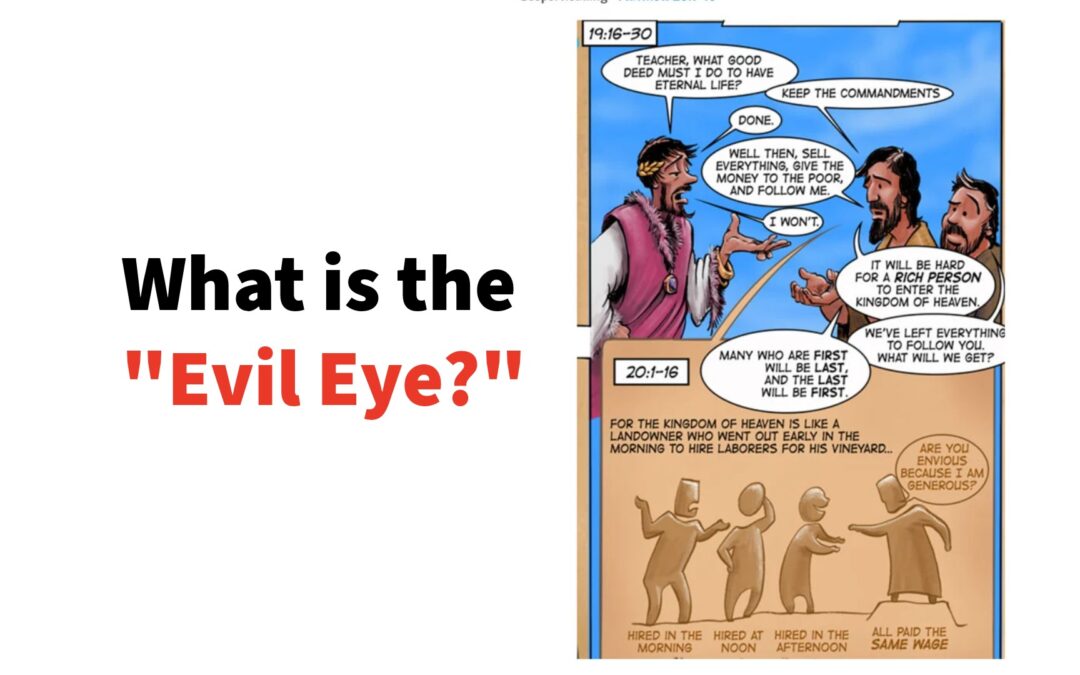
by Steve Thomason | Sep 14, 2026 | Visual Lectionary
In Matthew 20, Jesus asks, “Is your eye evil because I am good?” Explore how Christ turns societal hierarchies upside down by inviting us to replace the “evil eye” of contempt with a generous way of seeing the world. Plus, in the Narrative Lectionary, we look at the call of Abram in Genesis 12 and what it means for us when we settle instead of continuing the journey of faith. Dive into full visual lectionary resources, commentaries, and drawings for both the Revised Common Lectionary and the Narrative Lectionary!
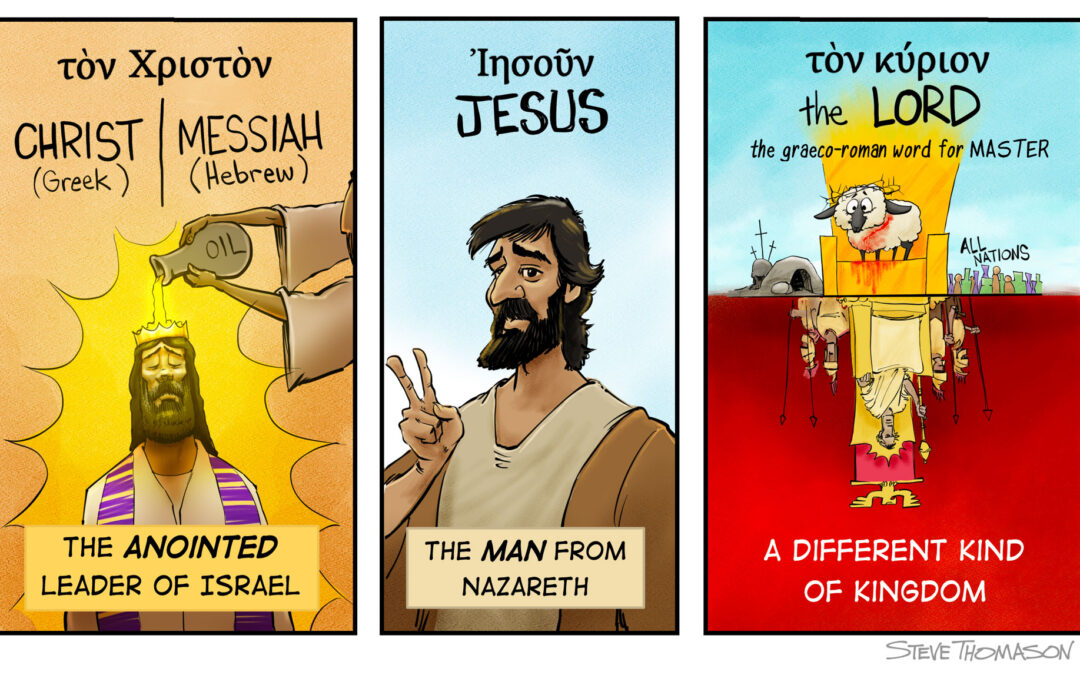
by Steve Thomason | Sep 8, 2026 | Bible, The Art of Discipleship, Theology
Why do people say “Jesus Christ is Lord?” For many in our 21st century Western culture the phrase “Jesus Christ” is simply a curse word. Others may assume that “Christ” is Jesus’ last name. The term “Lord” seems archaic and oppressive. How is it relevant in a democratic society?
I would like to suggest that the terms Christ and Lord, when they were used in the first century, were an attempt to find unity in the diversity of a multicultural church that was divided into factions. I would also like to suggest that we need the spirit of these terms in the fractured and divided church today, just as much as they needed it then.
by Steve Thomason | Sep 7, 2026 | Visual Lectionary
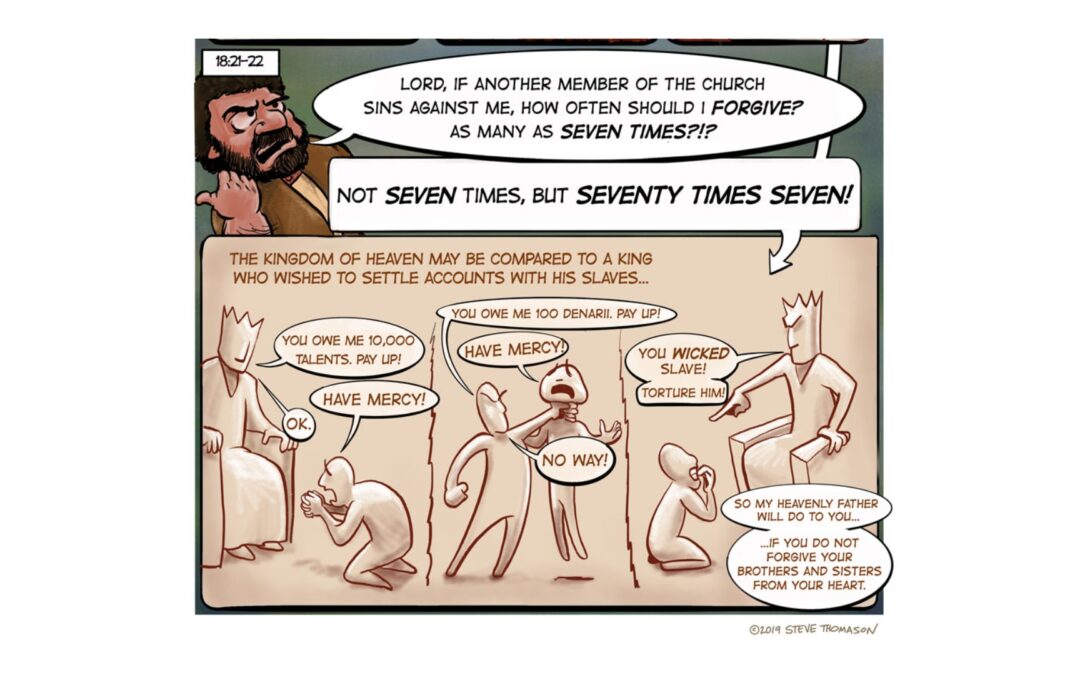
As a new school year and ministry season kick off, there is no better theme to ground our communities than God’s grace and promise. This week’s visual resources explore the call to radical forgiveness in Matthew 18 for the Revised Common Lectionary, alongside the powerful symbol of the rainbow—God’s bow hanging in the sky as a covenant of peace—for the Narrative Lectionary. Explore full commentaries, artwork, and visual downloads for both lectionaries for September 13.

