
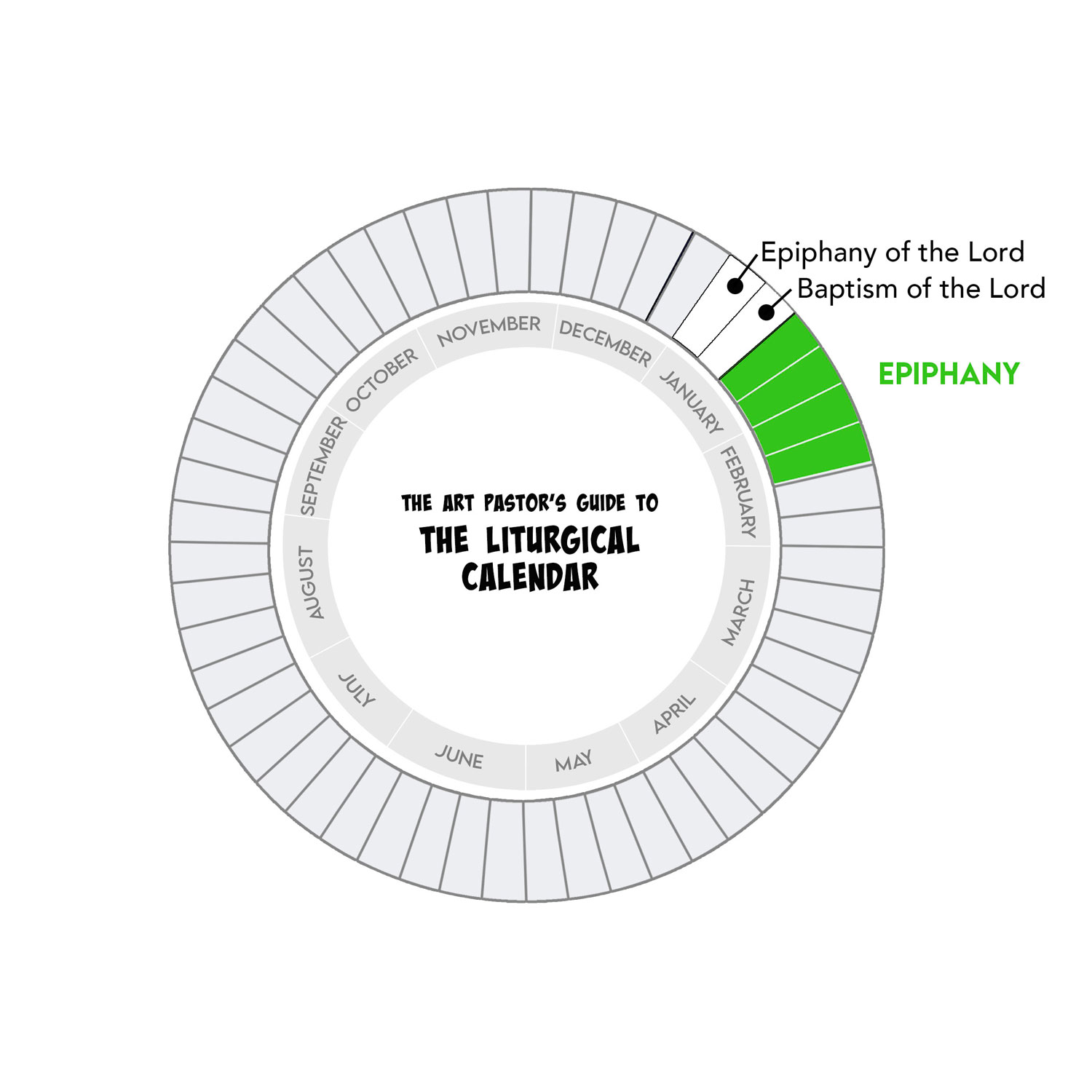
view the download HERE.
Epiphany comes from a Greek word that means “to manifest, display, show off; come suddenly into view,” from epi “on, to” (see epi-) + phainein “to show” (from etymonline.com)
It is the season of the Liturgical Calendar that celebrates the beginning of Jesus’ public ministry.
It is important to remember that the liturgical calendar is shaped by the narrative structure found in the Synoptic Gospels–Matthew, Mark, and Luke.
Jesus spends the majority of his public ministry in the northern region of Galilee. The story pivots at the Transfiguration. The Season of Lent traces Jesus’ steps from Galilee to the City of Jerusalem where he faces his final week.
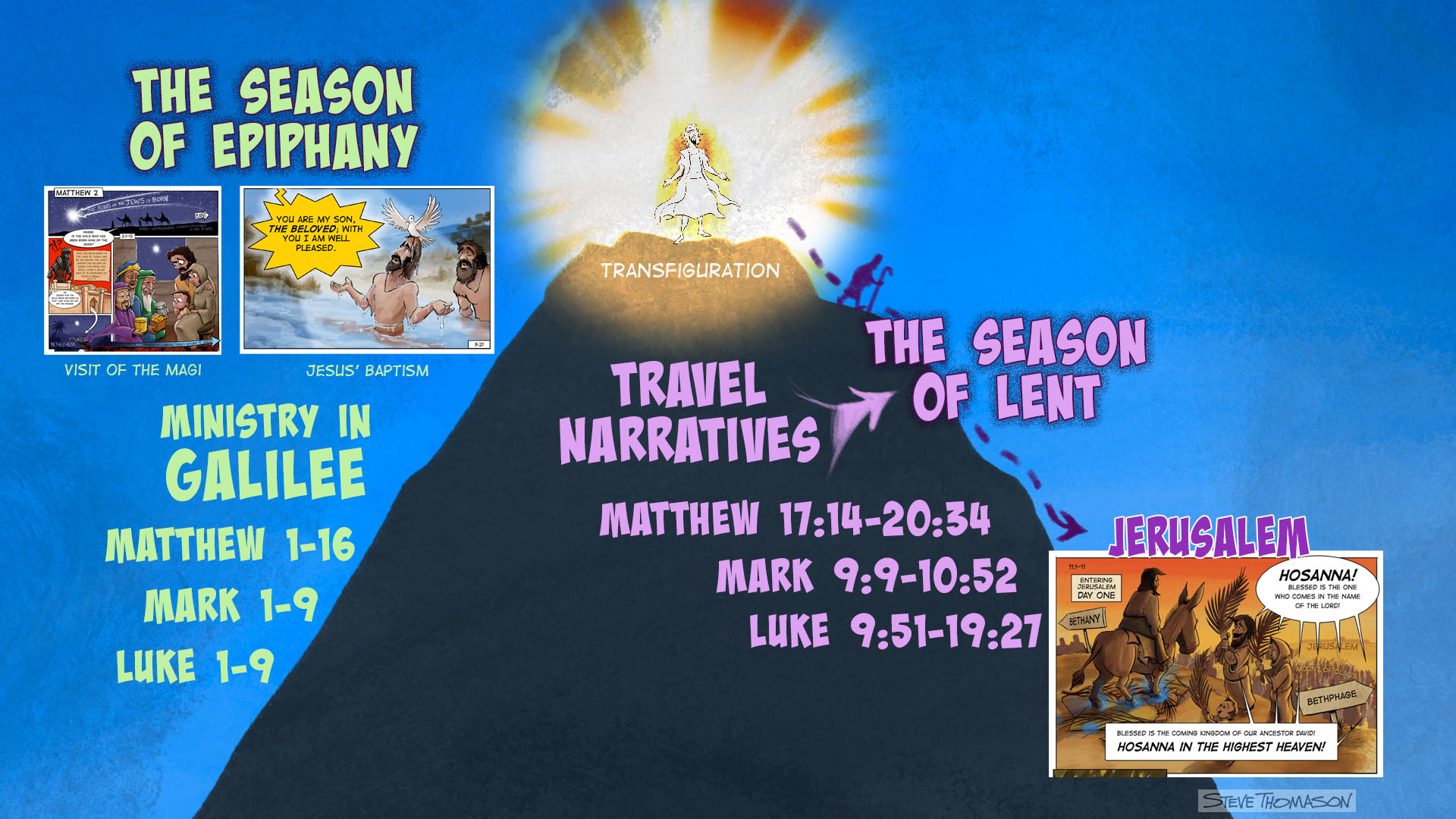
The Season of Epiphany has four basic movements.
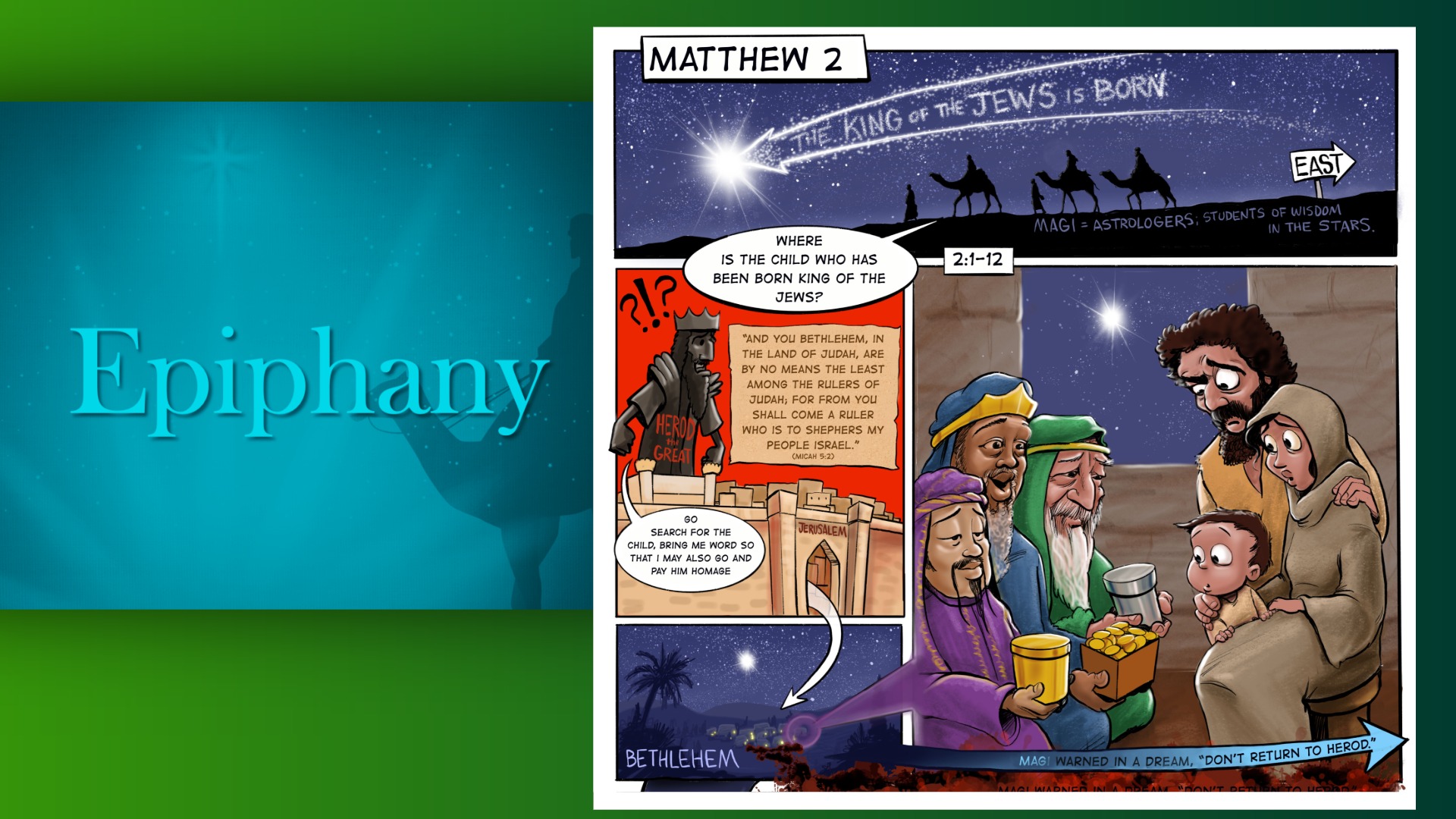
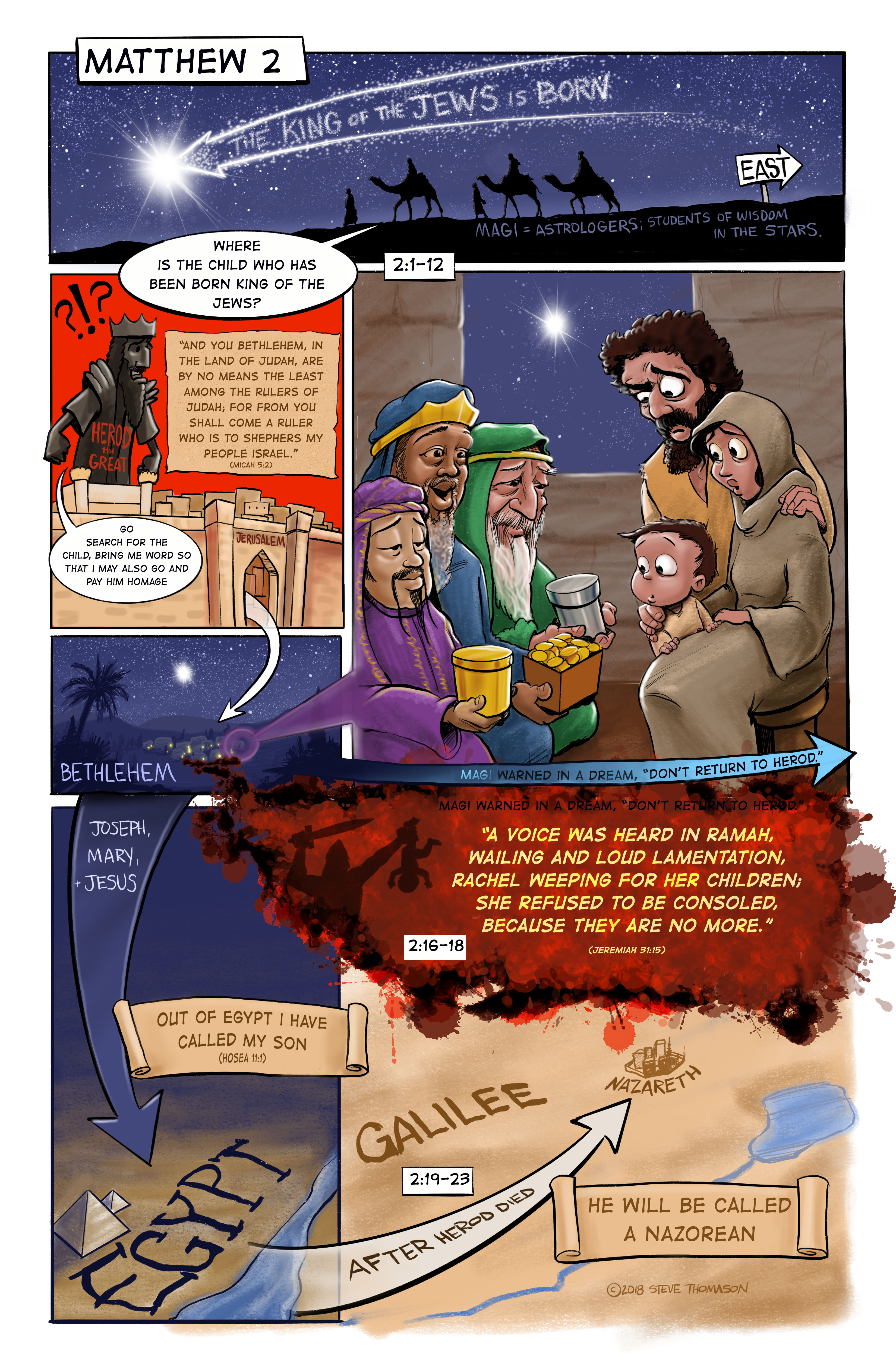
First: The visit of the Magi
This story is only found in Matthew 2:1-23. View the visual commentaries HERE.
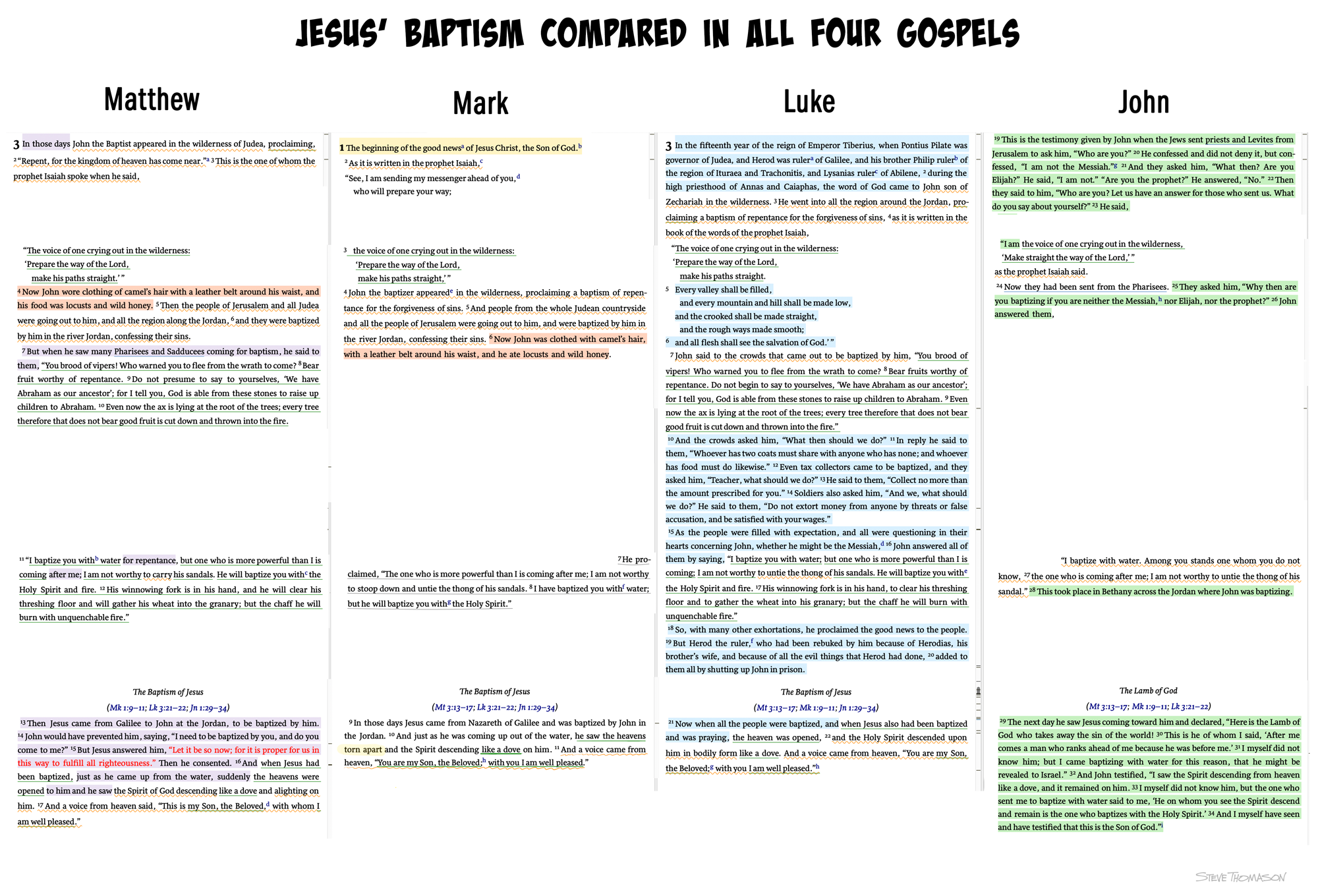
Second: The Baptism of Jesus
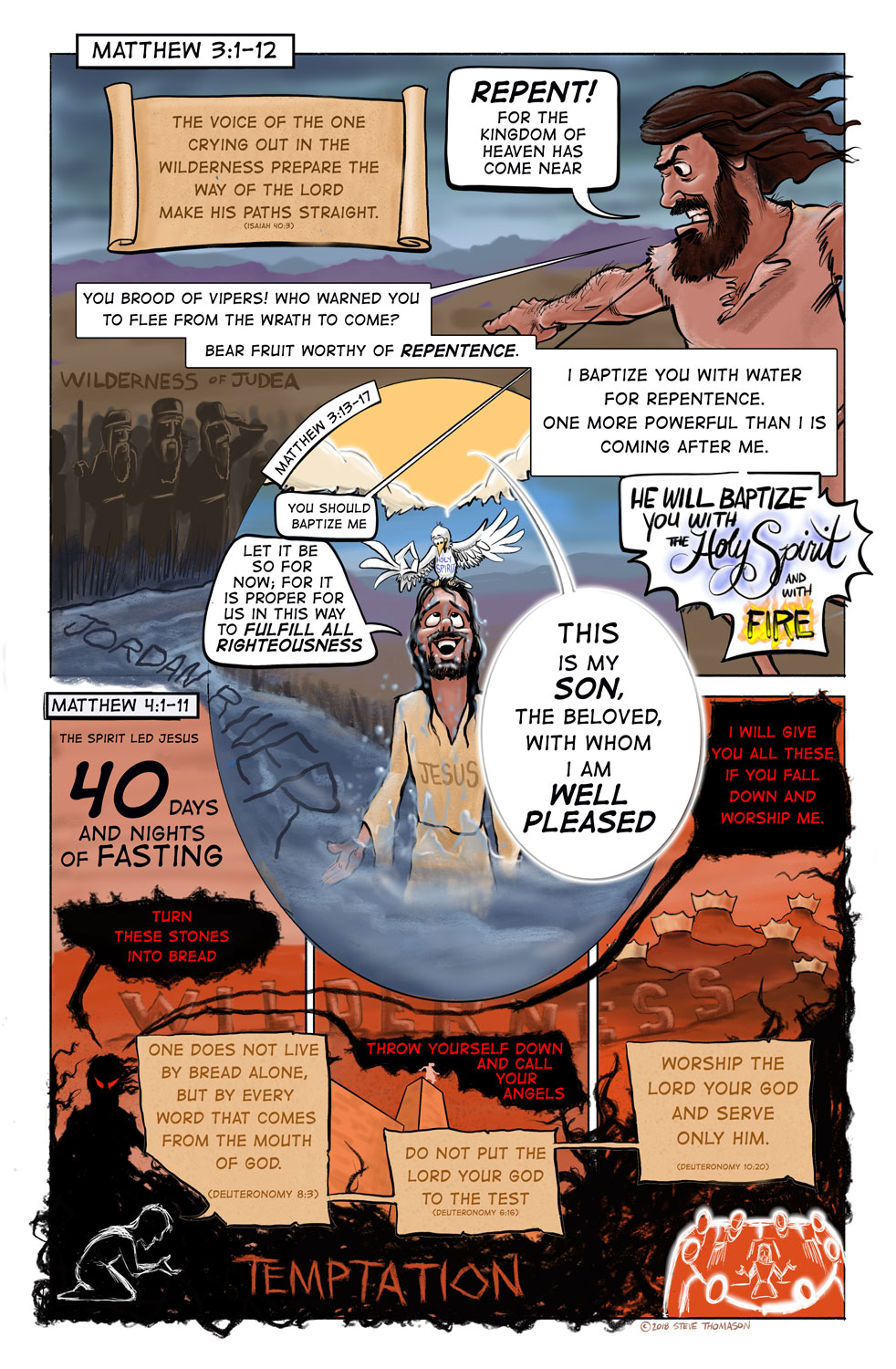
Matthew 3:1-4:11

Mark 1:1-20

Luke 3:1-4:13
Third: The ministry of Jesus in Galilee up to the Transfiguration
The length of Epiphany varies from year to year because it is dependent upon the dates of Lent.
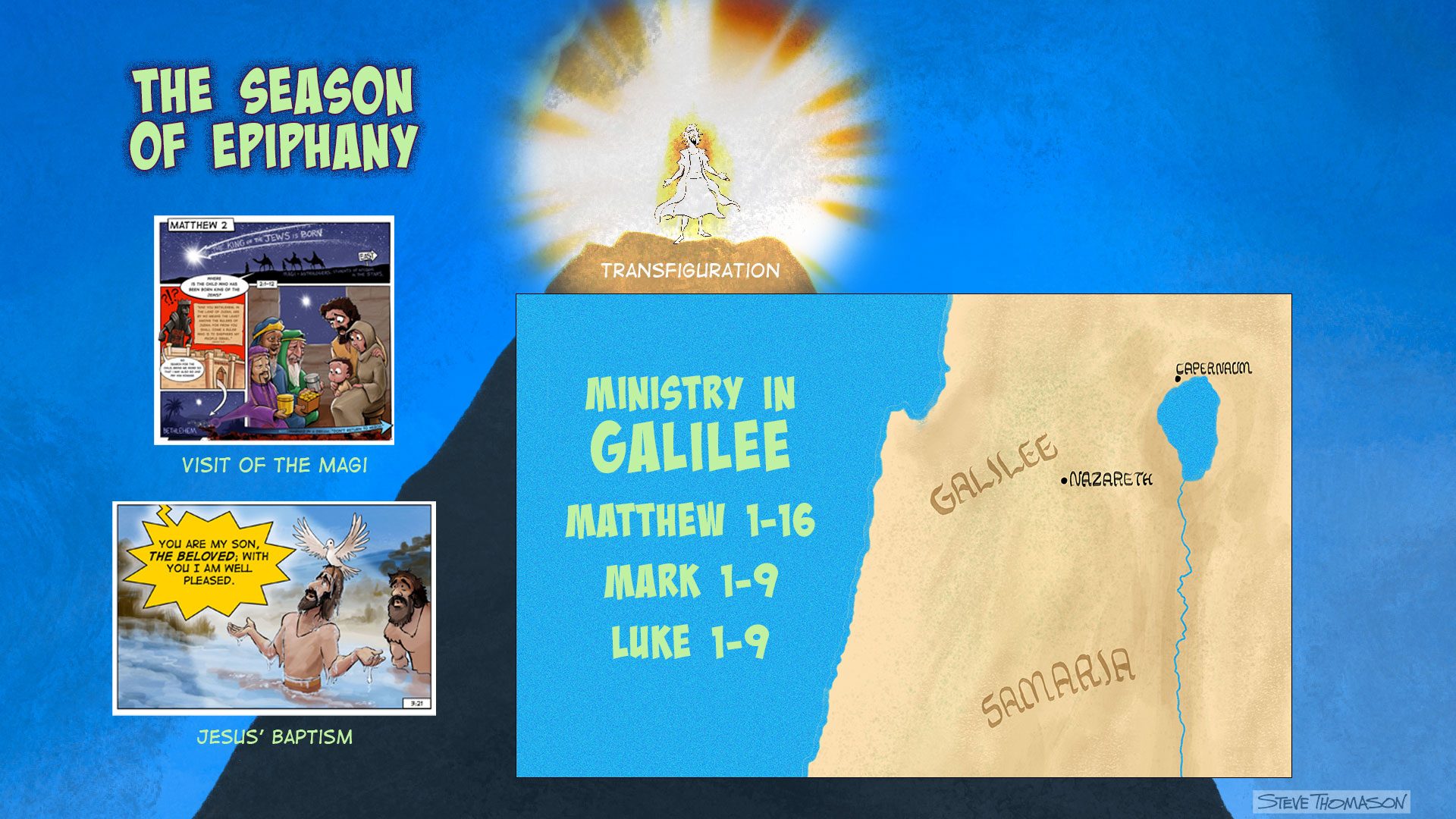
Fourth: The Transfiguration


Return to the
Art Pastor’s Guide to the Liturgical Calendar
and explore more seasons of the year.